Picture

Northwestern Medicine
​Breakthroughs for Physicians

​​
  • Home
  • Specialties
    • Cardiovascular >
      • Research
      • Clinical Breakthroughs
      • News
    • Endocrinology >
      • Clinical Breakthroughs In Endocrinology
      • Research In Endocrinology
      • News
    • ENT (Otolaryngology) >
      • Clinical Breakthroughs
      • Research
      • News
    • Gastroenterology >
      • Clinical Breakthroughs
      • Research
      • News
    • Geriatrics >
      • Clinical Breakthroughs
      • Research
      • News
    • Neurosciences >
      • Rare and Complex Brain Tumors
      • Research
      • COVID-19 and Neurosciences
      • News
      • Clinical Breakthroughs
    • OB-GYN >
      • Clinical Breakthroughs
      • Research
      • News
    • Oncology >
      • Clinical Breakthroughs
      • Research
      • News
    • Ophthalmology >
      • Clinical Breakthroughs
      • Research
      • News
    • Organ Transplant >
      • Clinical Breakthroughs
      • Research
      • News
    • Orthopaedics >
      • Clinical Breakthroughs
      • Research
      • News
    • Psychiatry >
      • Clinical Breakthroughs
      • Research
      • News
    • Pulmonary >
      • Clinical Breakthroughs
      • Research
      • News
    • Rehabilitation >
      • Clinical Breakthroughs
      • News
    • Rheumatology >
      • Clinical Breakthroughs
      • Research
      • News
    • Urology >
      • Clinical Breakthroughs
      • Research
      • News
  • CME
  • REFERRALS
    • Refer to NM Cardiovascular
    • Refer to NM Neurosciences
    • Refer to Other Specialties

< BACK TO COVID-19 AND NEUROSCIENCES

March 2022

NEUROSCIENCES
Picture

NEW STUDY FINDS PLASMA BIOMARKERS OF NEUROPATHOGENESIS IN HOSPITALIZED COVID-19 PATIENTS AND THOSE WITH LONG COVID

Study also indicates a correlation between anxiety and long COVID
​

Patients hospitalized with COVID-19 frequently experience altered brain function, and those with mild COVID-19 who never required hospitalization often develop neurologic symptoms as part of long COVID. A new Northwestern Medicine study published in Neurology® Neuroimmunology & Neuroinflammation sought to find evidence of central nervous system injury in both groups of patients by looking at biomarkers of inflammation in the brain, and damage to nerve cells which are present in the blood, to help determine whether these tests might inform how best to identify and treat patients.

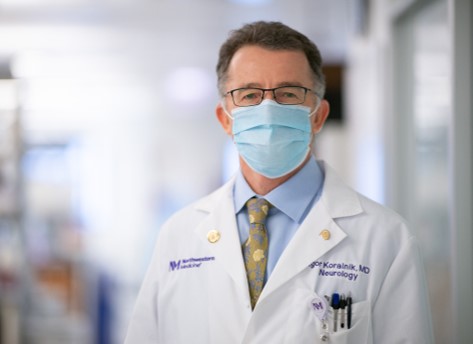
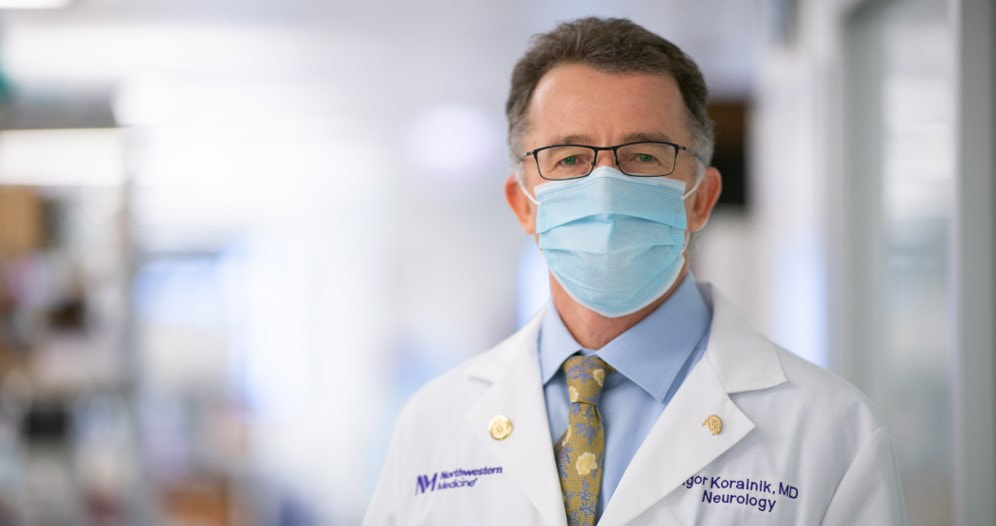
“These markers have been looked at in other COVID populations, but our study population was unique because we have matched cognitive and quality of life measures in addition to the typically studied COVID symptoms like shortness of breath, fatigue and brain fog,” said Igor J. Koralnik, MD, chief of Neuro-infectious Diseases and Global Neurology, who also oversees the Neuro COVID-19 Clinic at Northwestern Medicine. “The most noteworthy finding is that we were able to look at a marker of nerve cell damage and a marker of activation of supporting cells in the brain called ‘glial cells’ which are elevated in other diseases of the brain such as multiple sclerosis.”

The study enrolled 64 participants, which included hospitalized COVID-19 patients at Northwestern Memorial Hospital with acute brain dysfunction known as encephalopathy, non-hospitalized COVID long-haulers treated at the Neuro COVID-19 Clinic, and healthy control subjects from the community.

The study’s biggest findings include:
  • The brain is composed of neurons and a large network of supporting cells known as glial cells. This study found that combined molecular evidence of damage to neurons and activation of glial cells, indicating brain inflammation, correlated with symptoms of anxiety in COVID long-haulers.
  • Similar molecular findings of neuron damage and brain inflammation were detected in COVID-19 patients hospitalized at Northwestern Memorial with encephalopathy, which ranges from mild confusion to coma, and is the most severe neurologic manifestation of COVID-19.
  • COVID long-haulers often express frustration that they feel their neuropsychiatric symptoms are dismissed when talking about their experience, and this study’s evidence, suggesting a biological basis for these symptoms, may help to validate their experience and inform the need for further research into the mechanisms leading to these symptoms.
 
Researchers used a Neuro-Glial score which combines evidence of nerve cell damage as well as brain inflammation which correlated with the neuropsychiatric symptom of anxiety in the patient population.

“The correlation we observed between anxiety and Neuro-Glial score held up when we controlled for age, sex, and BMI, and was observed in both qualitative and quantitative measures of anxiety, which suggests there is a true relationship,” said Barbara Hanson, PhD, who co-authored the study and analyzed all the data in the Northwestern Medicine Neuro COVID-19 research lab. “We hope the observed correlation leads to future research into the mechanistic basis of these neuropsychiatric symptoms in long COVID patients, or perhaps in the biological basis of chronic anxiety in general.”

Since May 2020, the Neuro COVID-19 Clinic, which is part of the Comprehensive COVID-19 Center at Northwestern Memorial Hospital, has seen more than 1,100 patients from around the country with long-hauler symptoms.

View the study >
 
Also featured in the Medscape, ABC News and more. 
Igor Koralnik, MD is the Chief of Neuro-infectious Disease and Global Neurology in the Department of Neurology. 

Refer a Patient

Northwestern Medicine welcomes the opportunity to partner with you in caring for your patients. ​
Call 844.344.6663
Find an NM neurologist
Find an NM Neurosurgeon
Find an NM Neuroradiologist

You May Also Like

Video still of Charles J. Davidson, MD

January 2021

NEUROSCIENCES
Northwestern Medicine Introduces Comprehensive COVID-19 Center to Treat Chronic COVID Disease
Dr. Koralnik

April 2021

NEUROSCIENCES
First-of-Its-Kind Study Finds 81% of Non-hospitalized COVID-19 'Long-Haulers' Experienced Brain Fog
COVID-19

May 2021

NEUROSCIENCES
Northwestern Medicine Study Finds History of Neurological Disorder Increases Risk of Hospital Reencounter After COVID-19

Northwestern Medicine Breakthroughs for Physicians

About Us     Terms of Use     Privacy Policy     How to Vote for U.S. News & World Report Best Hospitals
© 2025 Northwestern Medicine® and Northwestern Memorial HealthCare. 
Northwestern Medicine® is a trademark of Northwestern Memorial HealthCare, used by Northwestern University
Connect with us
[email protected]
International physicians, contact [email protected]
  • Home
  • Specialties
    • Cardiovascular >
      • Research
      • Clinical Breakthroughs
      • News
    • Endocrinology >
      • Clinical Breakthroughs In Endocrinology
      • Research In Endocrinology
      • News
    • ENT (Otolaryngology) >
      • Clinical Breakthroughs
      • Research
      • News
    • Gastroenterology >
      • Clinical Breakthroughs
      • Research
      • News
    • Geriatrics >
      • Clinical Breakthroughs
      • Research
      • News
    • Neurosciences >
      • Rare and Complex Brain Tumors
      • Research
      • COVID-19 and Neurosciences
      • News
      • Clinical Breakthroughs
    • OB-GYN >
      • Clinical Breakthroughs
      • Research
      • News
    • Oncology >
      • Clinical Breakthroughs
      • Research
      • News
    • Ophthalmology >
      • Clinical Breakthroughs
      • Research
      • News
    • Organ Transplant >
      • Clinical Breakthroughs
      • Research
      • News
    • Orthopaedics >
      • Clinical Breakthroughs
      • Research
      • News
    • Psychiatry >
      • Clinical Breakthroughs
      • Research
      • News
    • Pulmonary >
      • Clinical Breakthroughs
      • Research
      • News
    • Rehabilitation >
      • Clinical Breakthroughs
      • News
    • Rheumatology >
      • Clinical Breakthroughs
      • Research
      • News
    • Urology >
      • Clinical Breakthroughs
      • Research
      • News
  • CME
  • REFERRALS
    • Refer to NM Cardiovascular
    • Refer to NM Neurosciences
    • Refer to Other Specialties