
Picture

Northwestern Medicine
​Breakthroughs for Physicians

​​
  • Home
  • Specialties
    • Cardiovascular >
      • Research
      • Clinical Breakthroughs
      • News
    • Endocrinology >
      • Clinical Breakthroughs In Endocrinology
      • Research In Endocrinology
      • News
    • ENT (Otolaryngology) >
      • Clinical Breakthroughs
      • Research
      • News
    • Gastroenterology >
      • Clinical Breakthroughs
      • Research
      • News
    • Geriatrics >
      • Clinical Breakthroughs
      • Research
      • News
    • Neurosciences >
      • Rare and Complex Brain Tumors
      • Research
      • COVID-19 and Neurosciences
      • News
      • Clinical Breakthroughs
    • OB-GYN >
      • Clinical Breakthroughs
      • Research
      • News
    • Oncology >
      • Clinical Breakthroughs
      • Research
      • News
    • Ophthalmology >
      • Clinical Breakthroughs
      • Research
      • News
    • Organ Transplant >
      • Clinical Breakthroughs
      • Research
      • News
    • Orthopaedics >
      • Clinical Breakthroughs
      • Research
      • News
    • Psychiatry >
      • Clinical Breakthroughs
      • Research
      • News
    • Pulmonary >
      • Clinical Breakthroughs
      • Research
      • News
    • Rehabilitation >
      • Clinical Breakthroughs
      • News
    • Rheumatology >
      • Clinical Breakthroughs
      • Research
      • News
    • Urology >
      • Clinical Breakthroughs
      • Research
      • News
  • CME
  • REFERRALS
    • Refer to NM Cardiovascular
    • Refer to NM Neurosciences
    • Refer to Other Specialties

< BACK TO COVID-19 AND NEUROSCIENCES

May 2022

NEUROSCIENCES
Picture

STUDY FINDS PERSISTENT VIRAL SHEDDING OF COVID-19 IS ASSOCIATED WITH DELIRIUM AND SIX-MONTH MORTALITY IN HOSPITALIZED COVID-19 PATIENTS

Study is one of the first to inform the care of patients who continue to test positive for COVID-19 

A new Northwestern Medicine study published in GeroScience sought to determine the prevalence, risk factors and significance of persistent viral shedding in hospitalized COVID-19 patients. The Northwestern Medicine Neuro COVID-19 research team discovered patients who continued to test positive more than 14 days after their initial positive test were more likely to experience delirium, longer hospital stays, were less likely to be discharged home, and had a greater six-month mortality than those without persistent viral shedding of COVID-19. 
 
The study included all patients who required hospitalization for COVID-19 throughout the Northwestern Medicine health system between March and August 2020. Of the 2,518 patients hospitalized during that time, 959 underwent repeat COVID-19 testing at least 14 days from initial testing, and 405 of those patients (42%) were found to have persistent viral shedding.

In the persistent shedding group:
  • 54% of patients were men
  • 56% experienced in-hospital delirium, the primary neurologic complication of acute COVID-19
  • Less likely to be discharged to home from the hospital
  • 15% of patients died within six months
  • Common comorbidities were diabetes, chronic kidney disease, hypertension and increased BMI
 
“This study is one of the first to inform the care of patients who continue to test positive for COVID-19,” said Ayush Batra, MD, a Northwestern Medicine neurocritical care specialist who treats COVID-19 patients and co-authored the study. “We were intrigued to see the strong and large association between persistent viral shedding and long-term post-hospital mortality, even after adjusting for age, severity of respiratory dysfunction, and presence of delirium. This suggests that the presence of persistently positive RT-PCR tests has important clinical implications for patients.”
 
“These patients were much more likely to have been delirious while they were hospitalized, even after adjusting for other factors that put patients at risk for delirium. This is an important finding because many studies, even pre-dating the COVID-19 pandemic, suggest that patients who are delirious during hospitalization are more likely to have long-term cognitive issues and may experience accelerated cognitive decline with aging. As such, patients with persistent viral shedding may warrant closer surveillance and monitoring for development of complications following COVID-19,” said Eric Liotta, MD, a Northwestern Medicine neurocritical care specialist who treats COVID-19 patients and co-authored the study.
 
The strong link between prolonged viral shedding and experiencing delirium also suggests studies are needed to investigate if prolonged viral shedding is related to neurological symptoms in COVID-19 long-haulers. To date, the Northwestern Medicine Neuro COVID-19 Clinic has treated more than 1,400 patients with neurological long-hauler symptoms such as brain fog, fatigue, and loss of taste and smell.
 
Read the study >
Picture
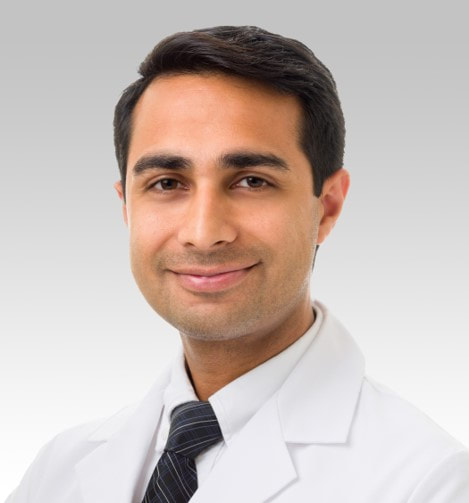
Ayush Batra, MD, is an assistant professor of Neurology (Neurocritical Care) and Pathology at Northwestern Medicine.
Picture
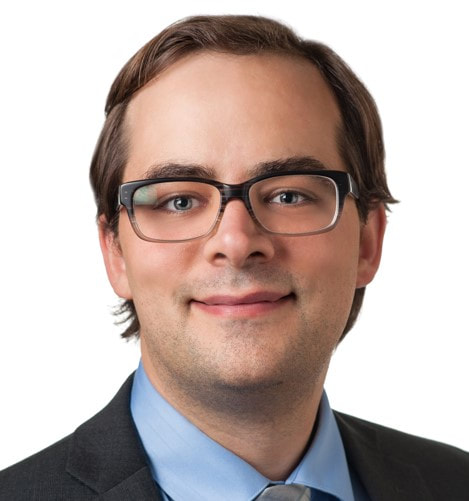
Eric M. Liotta, MD, MS, is an associate professor of Neurology (Neurocritical Care) and Surgery (Organ Transplantation) at Northwestern Medicine.

Refer a Patient

Northwestern Medicine welcomes the opportunity to partner with you in caring for your patients. ​
Call 844.344.6663
Find an NM neurologist
Find an NM Neurosurgeon
Find an NM Neuroradiologist

You May Also Like

Video still of Charles J. Davidson, MD

January 2021

NEUROSCIENCES
Northwestern Medicine Introduces Comprehensive COVID-19 Center to Treat Chronic COVID Disease
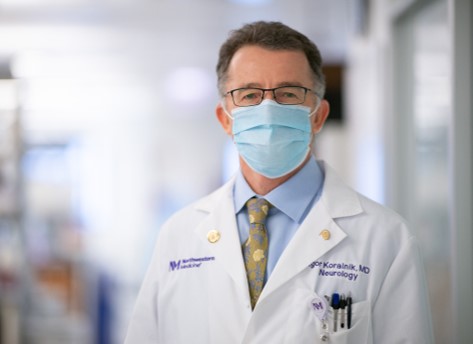
Dr. Koralnik

April 2021

NEUROSCIENCES
First-of-Its-Kind Study Finds 81% of Non-hospitalized COVID-19 'Long-Haulers' Experienced Brain Fog
COVID-19

May 2021

NEUROSCIENCES
Northwestern Medicine Study Finds History of Neurological Disorder Increases Risk of Hospital Reencounter After COVID-19

Northwestern Medicine Breakthroughs for Physicians

About Us     Terms of Use     Privacy Policy     How to Vote for U.S. News & World Report Best Hospitals
© 2026 Northwestern Medicine® and Northwestern Memorial HealthCare. 
Northwestern Medicine® is a trademark of Northwestern Memorial HealthCare, used by Northwestern University
Connect with us
[email protected]
International physicians, contact [email protected]
  • Home
  • Specialties
    • Cardiovascular >
      • Research
      • Clinical Breakthroughs
      • News
    • Endocrinology >
      • Clinical Breakthroughs In Endocrinology
      • Research In Endocrinology
      • News
    • ENT (Otolaryngology) >
      • Clinical Breakthroughs
      • Research
      • News
    • Gastroenterology >
      • Clinical Breakthroughs
      • Research
      • News
    • Geriatrics >
      • Clinical Breakthroughs
      • Research
      • News
    • Neurosciences >
      • Rare and Complex Brain Tumors
      • Research
      • COVID-19 and Neurosciences
      • News
      • Clinical Breakthroughs
    • OB-GYN >
      • Clinical Breakthroughs
      • Research
      • News
    • Oncology >
      • Clinical Breakthroughs
      • Research
      • News
    • Ophthalmology >
      • Clinical Breakthroughs
      • Research
      • News
    • Organ Transplant >
      • Clinical Breakthroughs
      • Research
      • News
    • Orthopaedics >
      • Clinical Breakthroughs
      • Research
      • News
    • Psychiatry >
      • Clinical Breakthroughs
      • Research
      • News
    • Pulmonary >
      • Clinical Breakthroughs
      • Research
      • News
    • Rehabilitation >
      • Clinical Breakthroughs
      • News
    • Rheumatology >
      • Clinical Breakthroughs
      • Research
      • News
    • Urology >
      • Clinical Breakthroughs
      • Research
      • News
  • CME
  • REFERRALS
    • Refer to NM Cardiovascular
    • Refer to NM Neurosciences
    • Refer to Other Specialties