Picture

Northwestern Medicine
​Breakthroughs for Physicians

​​
  • Home
  • Specialties
    • Cardiovascular >
      • Research
      • Clinical Breakthroughs
      • News
    • Endocrinology >
      • Clinical Breakthroughs In Endocrinology
      • Research In Endocrinology
      • News
    • ENT (Otolaryngology) >
      • Clinical Breakthroughs
      • Research
      • News
    • Gastroenterology >
      • Clinical Breakthroughs
      • Research
      • News
    • Geriatrics >
      • Clinical Breakthroughs
      • Research
      • News
    • Neurosciences >
      • Rare and Complex Brain Tumors
      • Research
      • COVID-19 and Neurosciences
      • News
      • Clinical Breakthroughs
    • OB-GYN >
      • Clinical Breakthroughs
      • Research
      • News
    • Oncology >
      • Clinical Breakthroughs
      • Research
      • News
    • Ophthalmology >
      • Clinical Breakthroughs
      • Research
      • News
    • Organ Transplant >
      • Clinical Breakthroughs
      • Research
      • News
    • Orthopaedics >
      • Clinical Breakthroughs
      • Research
      • News
    • Psychiatry >
      • Clinical Breakthroughs
      • Research
      • News
    • Pulmonary >
      • Clinical Breakthroughs
      • Research
      • News
    • Rehabilitation >
      • Clinical Breakthroughs
      • News
    • Rheumatology >
      • Clinical Breakthroughs
      • Research
      • News
    • Urology >
      • Clinical Breakthroughs
      • Research
      • News
  • CME
  • REFERRALS
    • Refer to NM Cardiovascular
    • Refer to NM Neurosciences
    • Refer to Other Specialties

< BACK TO RESEARCH IN ONCOLOGY

< BACK TO CLINICAL BREAKTHROUGHS IN UROLOGY

February 2022

ONCOLOGY

OPTIMIZING BALANCE OF TREATMENTS IN PROSTATE CANCER

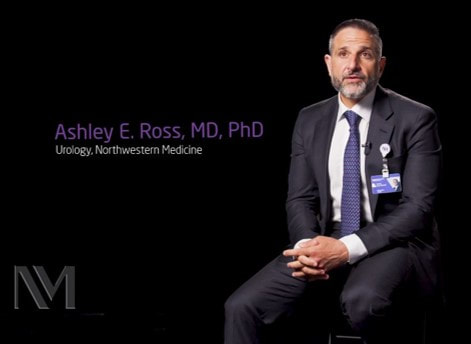
Featuring: Ashley Ross, MD, PhD
​

Patients receiving radiotherapy to treat high-risk prostate cancer also benefit from androgen deprivation therapy. The ideal duration of treatment may be roughly two years if receiving external beam radiation and one year if receiving external beam radiation with a brachytherapy boost, according to a study published in JAMA Oncology.

The use of androgen deprivation therapy (ADT) combined with radiation therapy improves cancer outcomes, but comes with significant side effects including effects on the cardiovascular system, mood, lowered libido and loss of muscle mass. This forces clinicians and patients to weight benefits versus costs for use and duration of treatment with ADT, according to Ashley Ross, MD, PhD, associate professor of Urology and a co-author of the study.

“Determining the optimal balance for length of therapy is paramount,” said Ross, who is also a member of the Robert H. Lurie Comprehensive Cancer Center of Northwestern University.

High-risk prostate cancer is disease with the ability to progress and spread outside of the prostate. When clinically localized prostate cancer is treated with radiation, ADT, which cuts off the androgens that prostate cancer relies on, should be employed to optimize the treatment, according to Ross.  Current guidelines suggest 18 to 36 months of ADT, but given its adverse effects, it’s commonly administered in shorter durations than indicated. In the current study, investigators sought to determine minimum thresholds of effectiveness as measured by improved survival among patients with high-risk prostate cancer.

​The study included one retrospective cohort and two trial cohorts, totaling more than 3,400 patients. The retrospective cohort was assembled by querying databases for patients who received ADT alongside radiotherapy, and the trial cohorts were two studies in which patients were randomized to receive varying durations of ADT alongside radiotherapy, ranging from 4 to 28 months. Patients who received radiation received therapy either with external beam radiation therapy (EBRT) alone or with external beam radiation combined with brachytherapy (seed implants).

Longer durations of ADT were associated with increased survival: Patients receiving EBRT alongside ADT for 28 months had improved survival compared with patients receiving ADT for just 18 months. This can be modified by additional therapies, according to Ross, as patients also undergoing brachytherapy may only need 12 months of ADT to see benefit. However, for other patients, 18 months should be the floor and roughly 2 years of therapy is preferred.
​
“For men with high-risk non-metastatic prostate cancer receiving radiation therapy, the optimal length of androgen deprivation is likely over 18 months,” Ross said. “Further research to better risk stratify subsets of men with high risk prostate cancer and identify tumors that might be more sensitive to radiation or ADT is ongoing and will lead to more individualized therapeutic regimens that balance cancer control with overall morbidity and quality of life.”


This article was originally published in the Feinberg School of Medicine News Center on February 25, 2022. 
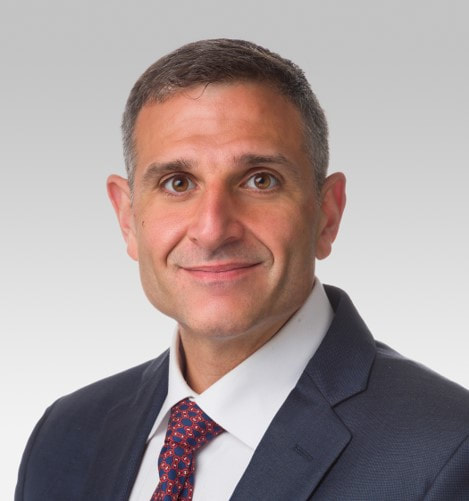
Headshot of Ashley Ross, MD, PhD
Ashley Ross, MD, PhD, associate professor of Urology and a member of the Robert H. Lurie Comprehensive Cancer Center of Northwestern University, was a co-author of the study published in JAMA Oncology.

Refer a Patient

Northwestern Medicine welcomes the opportunity to partner with you in caring for your patients. ​
Call 844.344.6663
FIND AN NM NEUROLOGIST
FIND AN NM NEUROSURGEON
FIND AN NM NEURORADIOLOGIST
FIND AN NM oncologist

You May Also Like

Image of Lurie Cancer Center Building

September 2021

ONCOLOGY
Lurie Cancer Center Receives Prostate Cancer SPORE from the NCI
Dr. Ross with patient

August 2021

UROLOGY
PSMA-Targeted PET Imaging for Prostate Cancer
Dr. Ross

December 2021

UROLOGY
Plan B: Salvage Treatment for Prostate Cancer

Northwestern Medicine Breakthroughs for Physicians

About Us     Terms of Use     Privacy Policy     How to Vote for U.S. News & World Report Best Hospitals
© 2025 Northwestern Medicine® and Northwestern Memorial HealthCare. 
Northwestern Medicine® is a trademark of Northwestern Memorial HealthCare, used by Northwestern University
Connect with us
[email protected]
International physicians, contact [email protected]
  • Home
  • Specialties
    • Cardiovascular >
      • Research
      • Clinical Breakthroughs
      • News
    • Endocrinology >
      • Clinical Breakthroughs In Endocrinology
      • Research In Endocrinology
      • News
    • ENT (Otolaryngology) >
      • Clinical Breakthroughs
      • Research
      • News
    • Gastroenterology >
      • Clinical Breakthroughs
      • Research
      • News
    • Geriatrics >
      • Clinical Breakthroughs
      • Research
      • News
    • Neurosciences >
      • Rare and Complex Brain Tumors
      • Research
      • COVID-19 and Neurosciences
      • News
      • Clinical Breakthroughs
    • OB-GYN >
      • Clinical Breakthroughs
      • Research
      • News
    • Oncology >
      • Clinical Breakthroughs
      • Research
      • News
    • Ophthalmology >
      • Clinical Breakthroughs
      • Research
      • News
    • Organ Transplant >
      • Clinical Breakthroughs
      • Research
      • News
    • Orthopaedics >
      • Clinical Breakthroughs
      • Research
      • News
    • Psychiatry >
      • Clinical Breakthroughs
      • Research
      • News
    • Pulmonary >
      • Clinical Breakthroughs
      • Research
      • News
    • Rehabilitation >
      • Clinical Breakthroughs
      • News
    • Rheumatology >
      • Clinical Breakthroughs
      • Research
      • News
    • Urology >
      • Clinical Breakthroughs
      • Research
      • News
  • CME
  • REFERRALS
    • Refer to NM Cardiovascular
    • Refer to NM Neurosciences
    • Refer to Other Specialties